Manténgase sano!
- Posted April 13, 2026
Fighting High Blood Pressure? Having A Team On Your Side Can Help
A person’s high blood pressure can dramatically decline if they receive intense team-based care, a new study says.
Patients’ systolic blood pressure declined by nearly 16 mm/Hg after a year and a half of team-based treatment, researchers reported April 8 in The New England Journal of Medicine.
The intense team approach included blood pressure tracking at home, coaching on heart-healthy lifestyle changes, reminders to take medications and doctors who monitored progress, researchers said.
“We have the tools to treat high blood pressure, but the challenge is effectively implementing these tools in primary care and helping patients adhere to medications and lifestyle changes,” said lead researcher Katherine Mills, a professor of epidemiology at Tulane University in New Orleans.
“This trial showed that a team-based approach to supporting and treating patients with uncontrolled blood pressure in low-income rural and urban areas can effectively lower high blood pressure,” she said in a news release.
More than half of adults in the U.S. have high blood pressure, defined as pressure over 130/80 mm/Hg, researchers said in background notes.
Worse, 78% of those with high blood pressure don’t have it under control, increasing their risk for heart disease, stroke, kidney failure, dementia and premature death, researchers said.
For the new study, researchers recruited 1,272 patients with high blood pressure from 36 federally qualified health centers in Louisiana and Mississippi. These centers provide care regardless of a person’s ability to pay.
Half of the people were provided team-based treatment, while the other half received the usual approach to managing blood pressure.
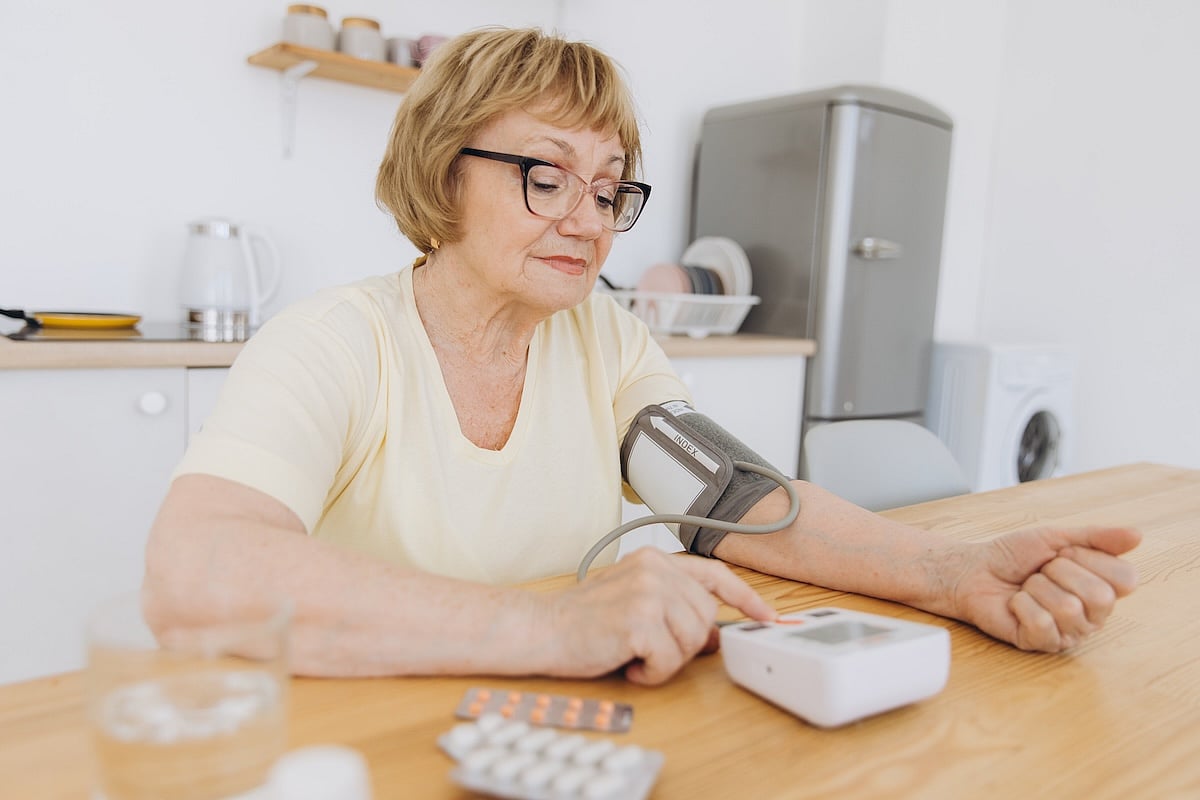
The team approach brought together primary care doctors, nurses and community health workers to help patients lower their blood pressure. People measured their blood pressure at home at least three times per week, and the readings helped their care team adjust treatment and advice as necessary.
After 18 months, patients receiving team-based care saw their systolic blood pressure drop by nearly 16 mm/Hg, compared with a 9-point drop among people receiving standard care. Systolic reflects the blood pressure during a heartbeat.
This difference could lead to a 10% reduction in heart health emergencies like heart attack, stroke or heart failure, researchers said.
Overall, about 48% of the team-based treatment group got their blood pressure under 130 mm/Hg, and 22% got it under 120 mm/Hg, according to the study.
By comparison, only 36% and 15% of the people receiving usual care reached those blood pressure targets, researchers found.
“Many of these patients had long-standing and treated hypertension, meaning the approach is effective in lowering blood pressure in challenging, real-world clinical settings,” co-lead researcher Dr. M.A. “Tonette” Krousel-Wood, chair of primary care medicine at Tulane University School of Medicine, said in a news release.
Researchers hope that this team-based approach can be implemented in the nation's 1,400 federally qualified health centers, as well as all places where people receive primary care.
“Poor hypertension control is a major clinical and public health challenge. This effective, sustainable, and scalable implementation strategy should be widely adopted in the U.S. to improve hypertension control,” senior researcher Dr. Jiang He, chair of epidemiology at UT Southwestern’s School of Public Health in Dallas, said in a news release.
More information
The American Heart Association has more on high blood pressure.
SOURCES: Tulane University, news release, April 9, 2026; National Institutes of Health, news release, April 8, 2026; UT Southwestern Medical Center, news release, April 8, 2026
